2020-09-24
Hydromea, a spinoff of École polytechnique fédérale de Lausanne (EPFL), has developed a miniature optical modem that can operate down to 6,000 meters below the ocean’s surface. It is sensitive enough to collect data at very high speeds from sources more than 50 meters away.
Radio wave can hardly work underwater as they are easily absorbed by water. So wireless internet connection underwater is nearly impossible. But it would be another story if the connection is based on light.
Hydromea is using light to transmit data below the ocean or lake surfac...
Continue reading →
 2014-04-29
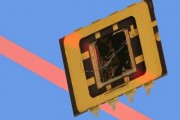
After using it to develop a computer chip, flash memory device and photographic sensor, Ecole Polytechnique Federale de Lausanne (EPFL) scientists have once again tapped into the electronic potential of molybdenite (MoS2) by creating diodes that can emit light or absorb it to produce electricity.
Continue reading →

 2014-04-29